Automotive Supply Chain Challenges 2025: How the Industry is Adapting to a New Era
November 4, 2025
Modern Trends in Vehicle Design Engineering
November 4, 2025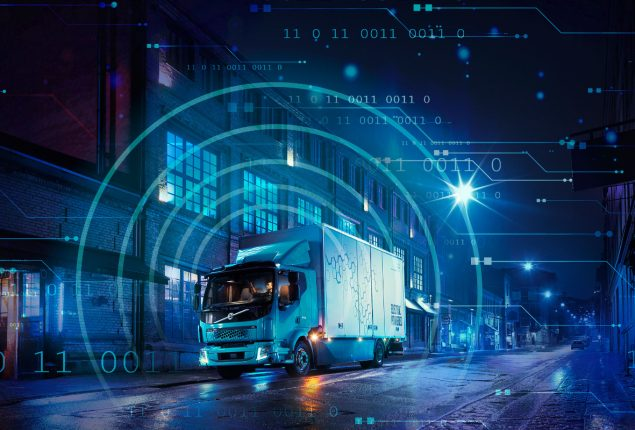
Introduction
The automotive industry is one of the most complex and fast-moving sectors in the global economy. With thousands of suppliers, millions of vehicles produced each year, and ever-changing consumer demands, logistics plays a critical role in keeping everything running smoothly. But traditional logistics systems often struggle to keep up with such complexity. That’s where Artificial Intelligence (AI) comes in.
AI is transforming the automotive logistics landscape by improving efficiency, predicting supply chain disruptions, enhancing visibility, and cutting operational costs. From real-time route optimization to smart demand forecasting, AI-driven technologies are revolutionizing how cars, parts, and materials move across the globe.
Understanding Logistics in the Automotive Industry
Before diving into how AI helps, let’s understand what automotive logistics means. It covers the entire flow of materials, components, and vehicles — from suppliers to manufacturers, and finally to dealerships or customers.
Key elements include:
- Inbound logistics: Transporting parts and materials to the manufacturing plant.
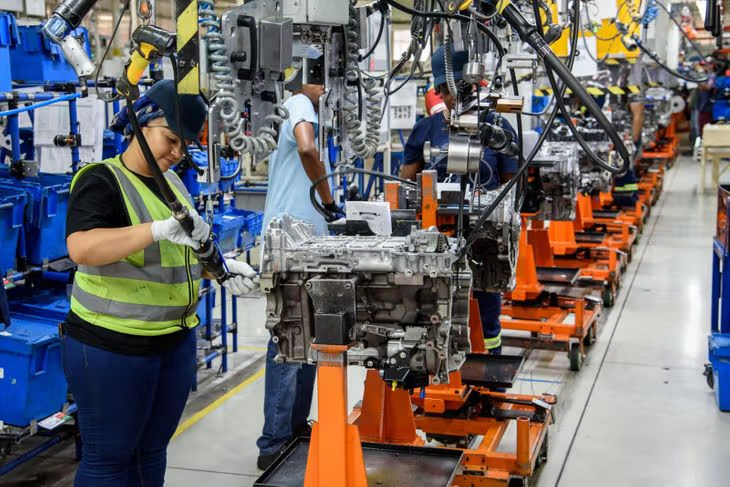
- Production logistics: Managing the movement of parts inside the factory.
- Outbound logistics: Delivering finished vehicles to distributors and customers.
- Aftermarket logistics: Supplying spare parts and maintenance products.
Each of these stages involves massive coordination, tight timelines, and large volumes of data. Manual processes and outdated systems can lead to delays, higher costs, and inefficiencies — and that’s where AI-driven solutions come to the rescue.
1. AI Enhances Supply Chain Visibility
One of the biggest challenges in automotive logistics is lack of visibility. Many companies struggle to track shipments, inventory levels, and supplier performance in real-time.
AI changes that by providing end-to-end visibility across the entire supply chain. Through data integration, machine learning algorithms, and IoT sensors, AI systems can:
- Monitor vehicles and parts in real-time.
- Predict delivery times accurately.
- Alert managers about potential bottlenecks.
For instance, if a shipment of car engines is delayed due to bad weather, the AI system can instantly suggest alternate suppliers or reroute shipments to minimize downtime.
This real-time insight not only saves time but also improves decision-making and customer satisfaction.
2. Smarter Demand Forecasting
Demand forecasting in the automotive industry has always been tricky. Predicting how many vehicles or parts will be needed in a particular region depends on many factors — market trends, consumer preferences, economic conditions, and even geopolitical events.
AI-powered systems analyze vast datasets — from sales figures to online searches and social media trends — to predict demand with much greater accuracy.
For example:
- AI can analyze dealership data to identify which car models are most popular in certain areas.
- It can forecast the demand for spare parts based on vehicle age and service history.
By anticipating demand more accurately, automotive companies can reduce overstocking, avoid shortages, and improve overall logistics efficiency.
3. Route Optimization and Autonomous Delivery
AI also plays a major role in route optimization — ensuring that vehicles and parts reach their destinations faster and at lower costs.
Machine learning algorithms process real-time data such as:
- Traffic conditions
- Weather forecasts
- Fuel prices
- Vehicle capacity
Then, they determine the most efficient routes for transportation.
This not only saves fuel but also reduces delivery times and carbon emissions — a key factor for sustainability goals.
Additionally, AI is the backbone of autonomous delivery systems, including self-driving trucks and drones. Major automakers and logistics companies are testing these technologies to automate transportation and reduce human error. In the future, we might see fully autonomous delivery fleets powered entirely by AI.
4. Warehouse Automation and Inventory Management
Warehouses are the heart of automotive logistics. However, managing millions of parts and components manually is inefficient and error-prone.
AI helps automate warehouse operations through technologies such as:
- Robotic Process Automation (RPA) for sorting and packing.
- Computer vision for inventory tracking and quality control.
- Predictive analytics for restocking decisions.
AI-driven robots can identify, pick, and move parts within the warehouse faster than human workers — with nearly zero errors.
Moreover, AI can predict when certain parts will run low and automatically reorder them before they cause production delays. This ensures smoother operations and reduces the cost of holding unnecessary inventory.
5. Predictive Maintenance for Logistics Vehicles
The logistics process relies heavily on trucks, trailers, and other transport vehicles. Breakdowns or maintenance issues can lead to costly delays.
AI solves this problem with predictive maintenance. Sensors installed in vehicles collect data on engine performance, tire pressure, temperature, and more. Machine learning algorithms then analyze this data to predict potential failures before they happen.
This allows fleet managers to:
- Schedule maintenance proactively.
- Reduce downtime.
- Extend vehicle lifespan.
By keeping vehicles in optimal condition, companies can avoid unexpected breakdowns and maintain a steady flow of deliveries.
6. Enhancing Collaboration Across the Supply Chain
AI tools improve communication and coordination between suppliers, manufacturers, and distributors. Intelligent platforms use natural language processing (NLP) and data-sharing algorithms to ensure all stakeholders stay informed.
For instance, AI chatbots can provide real-time updates on shipment status or inventory levels. Similarly, AI-driven dashboards can highlight potential risks or delays so that teams can take preventive measures quickly.
This level of coordination builds trust, enhances transparency, and reduces costly miscommunications.
7. Improving Sustainability in Automotive Logistics
Sustainability has become a key goal for modern automotive manufacturers. AI contributes to eco-friendly logistics in several ways:
- Optimizing delivery routes to minimize fuel use.
- Monitoring carbon emissions from transportation fleets.
- Enabling smarter load management to reduce waste.
- Using data to switch to greener alternatives, such as electric delivery vehicles.
By using AI to track and improve environmental performance, companies can not only save costs but also meet regulatory requirements and strengthen their reputation.
8. Real-World Examples of AI in Automotive Logistics
Many leading automotive companies are already using AI to revolutionize their logistics processes:
| Company | AI Application | Outcome |
| BMW Group | AI-powered logistics planning and autonomous material transport | Reduced delivery errors and improved efficiency |
| Toyota | AI-based demand forecasting and parts tracking | Optimized inventory and reduced downtime |
| Volkswagen | AI algorithms for route optimization and supply chain risk detection | Increased delivery reliability and cost savings |
| DHL (Automotive Division) | Machine learning for predictive maintenance and route planning | Enhanced operational uptime and fuel efficiency |
These examples prove that AI isn’t just a futuristic idea — it’s already transforming how vehicles and parts move across the world.
Conclusion
AI is truly revolutionizing logistics in the automotive industry. From predictive analytics and smart inventory management to route optimization and sustainable operations, artificial intelligence is helping manufacturers and suppliers build a more connected, efficient, and reliable logistics ecosystem.
As technology continues to advance, the integration of AI will only deepen — leading to smarter supply chains, lower costs, and greater customer satisfaction. The automotive future is not just about autonomous cars — it’s about intelligent logistics powering the entire journey.
FAQs
1. What are the main benefits of using AI in automotive logistics?
AI improves efficiency, reduces operational costs, enhances supply chain visibility, and supports predictive maintenance, ensuring smoother and faster logistics operations.
2. How does AI help with demand forecasting in the automotive sector?
AI analyzes historical data, market trends, and consumer behavior to predict future demand accurately, preventing overproduction and stock shortages.
3. Can AI help make automotive logistics more sustainable?
Yes, AI optimizes routes, reduces fuel usage, tracks carbon emissions, and helps adopt eco-friendly transportation solutions to support sustainability goals.
4. What role do autonomous vehicles play in AI-driven logistics?
Autonomous trucks and drones, powered by AI, can transport goods more efficiently, reducing human error and improving delivery speeds.
5. What is the future of AI in automotive logistics?
The future will likely see fully automated supply chains, smarter warehouses, and AI-powered decision-making systems that enhance every step of the logistics process.