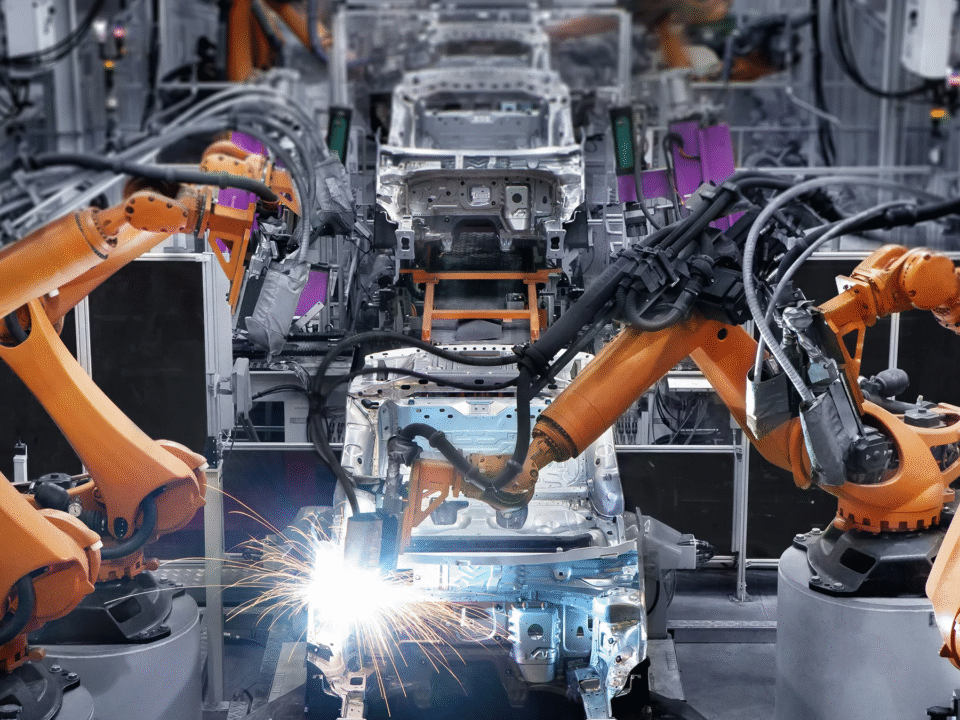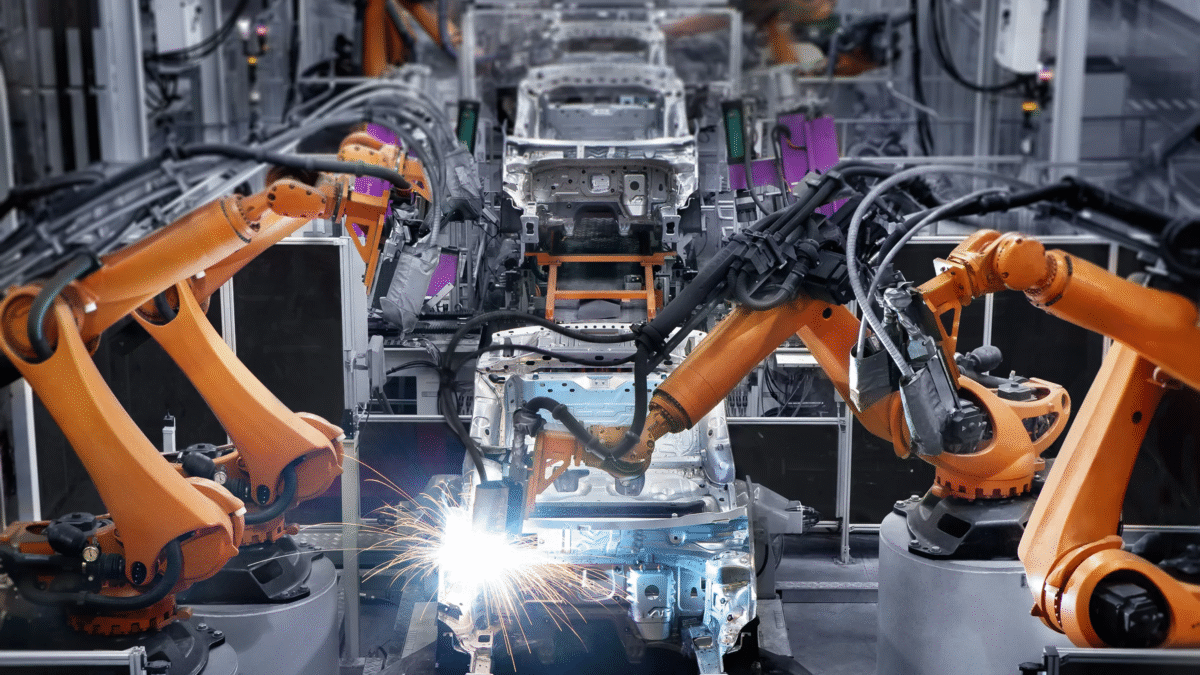
How Automation Is Transforming Vehicle Manufacturing in 2025
November 4, 2025
In today’s fast-moving automotive industry, building a reliable vehicle is not just about assembling parts — it’s about ensuring every component meets the highest standards of performance, safety, and durability. Quality control (QC) plays a crucial role in this process. It ensures that every car, truck, or SUV leaving the production line is safe to drive and lives up to customer expectations.
This article explores why quality control is essential in vehicle manufacturing, how it’s implemented, the technologies behind it, and what it means for both manufacturers and consumers.
Understanding Quality Control in the Automotive Industry
Quality control refers to the systematic process of checking, testing, and verifying that all parts, systems, and procedures meet defined standards. In the automotive sector, QC covers everything from raw materials to the final product inspection before a car reaches the showroom.
Every stage of vehicle production — from engine design to painting — requires strict quality checks. This ensures that any potential defect or inconsistency is detected early, reducing the chance of vehicle recalls or customer dissatisfaction later.
Key Elements of Automotive Quality Control:
- Inspection of Materials: Ensuring metals, plastics, and electronics meet design specifications.
- Testing of Components: Checking brakes, engines, electronics, and suspension systems.
- Process Control: Monitoring assembly line performance for consistency and accuracy.
- Final Vehicle Testing: Performing road tests, emission checks, and safety verifications before shipment.
Why Quality Control Matters in Vehicle Manufacturing
1. Ensuring Safety and Reliability
Safety is non-negotiable in the automotive world. A small manufacturing defect — such as a faulty brake pad or sensor — can lead to serious accidents. Quality control ensures every part of the vehicle works as intended under various conditions, protecting drivers and passengers alike.
Reliable vehicles also build consumer trust. When customers know a brand is consistent in quality, they are more likely to stay loyal and recommend it to others.
2. Reducing Recalls and Warranty Claims
Vehicle recalls can be extremely costly — not only in terms of repairs but also in damaged reputation. A recall can affect millions of vehicles and harm consumer confidence for years.
By maintaining strict quality control systems, manufacturers can detect and correct issues before vehicles reach the market. This reduces warranty claims and helps maintain a positive brand image.
3. Improving Manufacturing Efficiency
When production errors are caught early through QC, factories avoid the cost and time involved in reworking defective vehicles. Real-time inspection systems and automated sensors can detect anomalies quickly, improving assembly line efficiency and output quality.
Automation and digital tools now make quality checks faster and more accurate than ever before, allowing manufacturers to focus on innovation without compromising reliability.
4. Compliance with Global Standards
Every country has strict automotive regulations related to emissions, safety, and performance. Meeting these standards is not optional — it’s mandatory for selling vehicles globally.
Quality control ensures that every vehicle meets the required laws and certifications, such as:
- ISO/TS 16949 for automotive production
- Federal Motor Vehicle Safety Standards (FMVSS)
- European Union vehicle approval standards
Without proper QC, manufacturers risk facing fines, production halts, or even bans from certain markets.
5. Building Brand Reputation
Customers today value brands that deliver consistent quality and reliability. Think of Toyota, Honda, or BMW — their strong reputations come from years of strict quality control and attention to detail.
Quality vehicles don’t just sell better; they also maintain higher resale value. This strengthens customer satisfaction and brand loyalty, helping companies sustain long-term success.
Modern Quality Control Technologies in Vehicle Manufacturing
The automotive industry has embraced advanced technologies to make QC smarter and more efficient. Here are some innovations driving quality improvement:
| Technology | Description | Benefits |
| AI & Machine Learning | Used to analyze data from sensors and predict defects before they happen. | Prevents costly recalls and speeds up issue detection. |
| 3D Scanning & Imaging | Allows precise measurement of parts and assemblies. | Ensures perfect fitting and structural integrity. |
| IoT Sensors | Real-time monitoring of machinery and vehicle components. | Improves production consistency. |
| Automated Vision Systems | Cameras inspect every detail during assembly. | Reduces human error. |
| Robotic Testing | Robots perform endurance and stress tests. | Guarantees performance under all conditions. |
These technologies make quality control proactive rather than reactive — identifying problems before they can impact safety or performance.
The Role of Human Expertise in Quality Control
While automation is transforming vehicle manufacturing, human oversight remains critical. Skilled engineers and quality inspectors interpret data, make final decisions, and ensure that automated systems function correctly.
Their expertise helps balance the precision of technology with the nuanced understanding of real-world vehicle performance. In short, machines detect errors, but humans define what “quality” truly means.
How Quality Control Impacts Consumers
For drivers, strong quality control translates directly into benefits such as:
- Longer Vehicle Lifespan: Cars last longer with fewer breakdowns.
- Enhanced Safety: Well-tested systems protect passengers on the road.
- Better Fuel Efficiency: Optimized engines perform more efficiently.
- Lower Maintenance Costs: Fewer defects mean fewer repairs.
- Higher Resale Value: Reliable cars retain their worth for longer.
Ultimately, when manufacturers prioritize quality control, consumers gain confidence — knowing they are investing in vehicles built to last.
Case Example: Toyota’s Quality Control Philosophy
Toyota’s “Kaizen” (continuous improvement) philosophy is one of the most recognized QC systems in the world. The company empowers every employee — from factory workers to engineers — to stop the production line if they detect a problem.
This culture of accountability and continuous improvement has allowed Toyota to produce some of the most reliable vehicles globally, reducing recalls and maintaining consumer trust for decades.
The Future of Quality Control in Automotive Manufacturing
As vehicles become more advanced with electric drivetrains and autonomous technologies, quality control must evolve too. Future QC will focus on:
- Cybersecurity Testing: Ensuring software and sensors are protected from hacking.
- Battery Safety and Durability Checks: Critical for electric vehicles (EVs).
- Advanced Data Analytics: Using AI to predict future component failures.
- Sustainability Audits: Verifying that eco-friendly materials meet performance standards.
In 2025 and beyond, the fusion of technology, automation, and skilled professionals will redefine how manufacturers deliver safe and reliable vehicles to the world.
Conclusion
Quality control isn’t just a manufacturing step — it’s the foundation of trust between automakers and consumers. From ensuring safety and performance to reducing recalls and boosting efficiency, QC shapes the reliability and reputation of every vehicle on the road.
In an era where consumers demand more value, safety, and sustainability, quality control remains the key to driving the automotive industry forward.
Frequently Asked Questions (FAQs)
1. What is the main purpose of quality control in vehicle manufacturing?
The main purpose is to ensure that every vehicle meets strict safety, performance, and reliability standards before it reaches consumers. It helps prevent defects and enhances customer satisfaction.
2. How does technology improve automotive quality control?
Technologies like AI, IoT sensors, and automated vision systems detect defects faster and more accurately, allowing manufacturers to fix problems early in the production process.
3. Why is human inspection still necessary if automation is used?
While machines handle repetitive tasks, human expertise is needed to interpret results, make decisions, and ensure that the overall product meets real-world expectations.
4. What happens if a vehicle fails quality control tests?
If a defect is detected, the vehicle or part is either reworked or rejected. The cause of the problem is investigated to prevent similar issues in future production.
5. How does quality control benefit car buyers?
Buyers enjoy safer, more durable, and more efficient vehicles. Strong QC ensures fewer breakdowns, lower repair costs, and greater peace of mind.