
Carbon Footprint Reduction in Vehicle Production
November 4, 2025
How Quality Control Ensures Automotive Reliability
November 4, 2025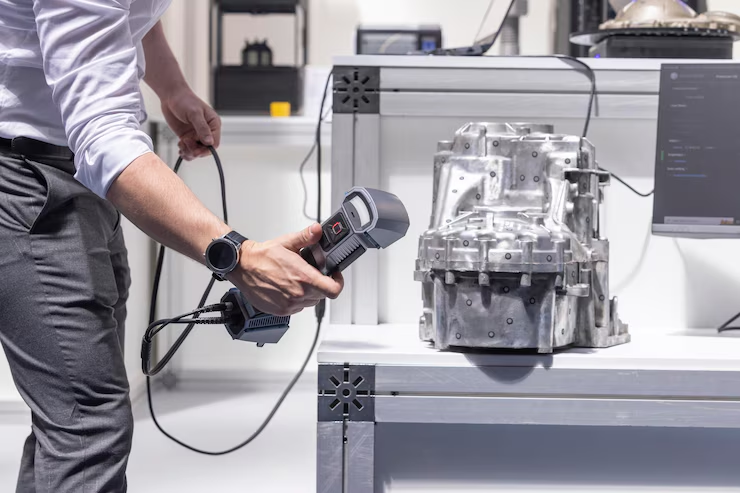
Introduction
In the fast-paced world of vehicle manufacturing, quality control is not just a process — it’s a promise. Every car that rolls off an assembly line must meet strict safety, performance, and durability standards. This is where automotive quality control procedures come into play.
These procedures are designed to detect, prevent, and eliminate defects during the production process. From the initial design phase to the final test drive, automotive manufacturers use advanced inspection methods, testing technologies, and continuous improvement strategies to ensure that each vehicle meets customer expectations and regulatory standards.
In this article, we’ll explore what automotive quality control procedures are, why they are so important, how they are implemented, and what methods are used to maintain consistency and safety in modern vehicle production.
What is Automotive Quality Control?
Automotive quality control (QC) refers to a series of systematic procedures used throughout the vehicle production process to ensure the final product meets predefined quality standards. These standards include performance, reliability, safety, environmental compliance, and customer satisfaction.
Unlike quality assurance (QA), which focuses on preventing issues, QC focuses on detecting and correcting them once they occur. It is the backbone of automotive manufacturing, ensuring that every car, truck, or SUV that reaches the consumer is safe and dependable.
Why Quality Control is Crucial in the Automotive Industry
The automotive industry operates under extremely tight safety and reliability regulations. A single faulty component can lead to severe consequences — accidents, recalls, legal actions, and damage to brand reputation.
Here’s why QC is essential:
- Safety: Detects faults that could endanger drivers and passengers.
- Regulatory compliance: Ensures vehicles meet government safety and emission standards.
- Customer trust: Builds confidence through consistent quality.
- Cost efficiency: Prevents expensive recalls and rework.
- Brand image: Protects a company’s reputation in a competitive market.
Simply put, without a strong quality control system, no automotive brand can survive long-term.
Key Stages of Automotive Quality Control Procedures
Let’s break down the major stages of QC in vehicle manufacturing — from design to post-production.
1. Design and Prototype Evaluation
Before any vehicle is mass-produced, design validation and prototype testing are carried out. Engineers build prototypes to test components like the engine, suspension, and safety systems.
During this phase, issues are identified early to prevent costly production changes later.
2. Supplier Quality Control
Since most automakers source parts from hundreds of suppliers, ensuring supplier quality compliance is crucial. Each supplier must follow strict guidelines for materials, dimensions, and performance.
Automotive manufacturers often perform supplier audits and sample inspections to maintain consistency.
3. Incoming Material Inspection
When raw materials or components arrive at the plant, they undergo incoming quality checks. For example:
- Metal sheets are checked for uniform thickness.
- Electronic modules are tested for signal accuracy.
- Tires and rubber components are checked for durability.
This prevents substandard materials from entering the production line.
4. In-Process Quality Control
During assembly, multiple checkpoints ensure every part is correctly installed.
Technicians use tools like:
- Torque sensors to ensure bolts are tightened properly.
- Vision systems for alignment and surface inspection.
- Robotic arms with sensors to maintain precision.
This stage ensures that each assembly meets strict specifications before moving forward.
5. End-of-Line Inspection
Once the vehicle is fully assembled, it undergoes final inspection tests. This includes:
- Visual inspection: Checking paint finish, alignment, and body integrity.
- Functional testing: Verifying electronics, lighting, brakes, and infotainment systems.
- Dynamic testing: Simulated road tests to measure noise, vibration, and handling.
If any issue is found, the car is sent for rework before being cleared for delivery.
6. Post-Production Quality Audits
Even after vehicles leave the factory, quality audits continue. Randomly selected vehicles are tested for long-term reliability, emissions performance, and customer satisfaction.
This helps manufacturers identify patterns or defects that may require process improvement or recall action.
Common Methods Used in Automotive Quality Control
Modern automotive plants rely on advanced technologies and proven methodologies to achieve consistent quality. Here are some of the most effective QC methods used today:
1. Statistical Process Control (SPC)
This involves using real-time data and statistical tools to monitor and control production quality. SPC helps detect variations before they cause defects.
2. Six Sigma
A methodology focused on reducing errors and improving efficiency. It uses data-driven techniques to minimize defects per million opportunities (DPMO).
3. Failure Mode and Effects Analysis (FMEA)
A preventive approach used to identify potential failure points and their impact, helping engineers design safer, more reliable vehicles.
4. Total Quality Management (TQM)
A company-wide system that encourages employee involvement in improving processes and maintaining quality at every level.
5. ISO/TS 16949 & IATF 16949 Standards
These are international automotive quality management standards that guide manufacturers in maintaining consistency, traceability, and defect prevention.
Modern Technology in Automotive Quality Control
As technology advances, automotive QC is becoming more automated and precise. Some innovative tools and technologies include:
| Technology | Purpose | Example Application |
| AI & Machine Learning | Detect defects in real time | Automated visual inspection |
| 3D Scanning | Measure dimensional accuracy | Chassis and frame alignment |
| Robotic Vision Systems | Enhance precision during assembly | Detect misalignments or paint flaws |
| IoT Sensors | Monitor production environment | Temperature and vibration control |
| Digital Twins | Virtual simulation of production | Predict and prevent defects |
These technologies not only improve speed and accuracy but also reduce human error, saving time and cost in the long run.
Continuous Improvement in Quality Control
Quality control is not a one-time effort; it’s a continuous journey. Automotive manufacturers regularly review their procedures to identify opportunities for improvement.
The Plan-Do-Check-Act (PDCA) cycle is commonly used:
- Plan: Identify problems and set goals.
- Do: Implement solutions.
- Check: Measure results.
- Act: Standardize successful changes.
This continuous loop ensures that the production process evolves to meet changing demands and new technological standards.
Benefits of Strong Automotive Quality Control Procedures
Implementing robust QC procedures brings multiple benefits, including:
- Improved safety and reliability
- Reduced recalls and warranty claims
- Higher customer satisfaction
- Compliance with international standards
- Increased production efficiency
- Lower operational costs
In essence, it strengthens brand reputation and customer trust — two elements that define long-term success in the automotive world.
Conclusion
Automotive quality control procedures are the backbone of modern vehicle manufacturing. They ensure every vehicle that reaches the market is safe, reliable, and built to perform. From rigorous material inspections to end-of-line testing, each step in the QC process contributes to achieving excellence.
With advancing technologies such as artificial intelligence, robotics, and digital twins, quality control has become more efficient, data-driven, and precise than ever before.
Ultimately, effective quality control doesn’t just build better cars — it builds stronger relationships between manufacturers and drivers, rooted in trust and safety.
FAQs About Automotive Quality Control Procedures
1. What is the main goal of automotive quality control?
The main goal is to ensure that every vehicle meets safety, performance, and reliability standards before reaching the customer, minimizing defects and improving satisfaction.
2. How do automakers ensure parts from suppliers meet quality standards?
Manufacturers perform supplier audits, material inspections, and certification checks to ensure every part meets design and performance requirements.
3. What happens when a vehicle fails a quality inspection?
If a car doesn’t pass inspection, it’s sent for rework or repair. In severe cases, production is halted until the root cause of the issue is resolved.
4. Which technologies are transforming automotive quality control today?
AI-driven visual systems, IoT sensors, 3D scanning, and digital twin simulations are revolutionizing how defects are detected and prevented.
5. How do quality control procedures impact vehicle recalls?
Effective QC reduces the likelihood of recalls by detecting potential defects early, ensuring vehicles leaving the plant are free from major faults.