Automotive Quality Control Procedures: Ensuring Safety, Reliability, and Excellence
November 4, 2025
How Automation Is Transforming Vehicle Manufacturing in 2025
November 4, 2025
In the fast-paced world of automotive manufacturing, reliability is the backbone of customer trust and brand reputation. When drivers purchase a vehicle, they expect it to perform safely, efficiently, and consistently over time. But behind every dependable car lies a complex network of quality control (QC) systems that ensure every part, process, and product meets the highest standards.
Let’s explore how quality control plays a vital role in ensuring automotive reliability, what processes are involved, and why it’s essential for both manufacturers and consumers.
Understanding Quality Control in the Automotive Industry
Quality control refers to the systematic processes used by manufacturers to ensure that products meet established standards of quality and performance. In the automotive sector, this means evaluating everything — from the smallest screw to the final assembled car — to confirm it aligns with safety regulations, engineering specifications, and customer expectations.
Automotive quality control doesn’t just happen at the end of the production line. It’s integrated into every stage of manufacturing, including:
- Design and development: Verifying that design plans meet reliability and safety criteria.
- Parts manufacturing: Inspecting components like engines, brakes, and sensors for defects.
- Assembly line production: Monitoring the production process to ensure consistency.
- Final inspection and testing: Checking the finished vehicle’s functionality, safety, and performance.
Through this detailed approach, carmakers can identify potential problems early and prevent them from reaching the market.
Why Quality Control Matters for Automotive Reliability
Reliability in vehicles is more than just avoiding breakdowns; it’s about ensuring that every system performs optimally under various conditions. Quality control provides the foundation for this reliability in several ways:
1. Prevention of Defects
By implementing strict inspection protocols, manufacturers can catch defects during production rather than after a car is sold. Preventing issues early saves both time and money while safeguarding the brand’s reputation.
2. Consistency in Performance
Quality control ensures that each car leaving the assembly line meets the same high standards. Whether a car is produced in Japan, Germany, or the U.S., QC helps maintain consistent quality across all units.
3. Enhanced Safety
Automotive safety depends heavily on precision engineering. QC verifies that critical systems such as braking, steering, and airbags function correctly, reducing the risk of accidents due to component failure.
4. Customer Satisfaction and Brand Loyalty
Reliable vehicles earn customer trust. When consumers feel confident in a brand’s durability and safety record, they’re more likely to become repeat buyers — boosting long-term success for manufacturers.
Key Components of Automotive Quality Control
Quality control in automotive manufacturing involves a combination of inspection techniques, testing systems, and continuous improvement practices. Below are the main components that contribute to reliability:
1. Incoming Material Inspection
Before production even begins, raw materials and parts supplied by vendors are tested for quality and consistency. For example, steel must meet strength standards, and rubber components must pass flexibility and durability tests.
2. In-Process Quality Checks
During manufacturing, inspectors and automated systems continuously monitor each production step. This includes:
- Dimensional accuracy: Ensuring components fit perfectly together.
- Welding inspections: Using ultrasonic or X-ray technology to check joint integrity.
- Paint quality: Examining coating thickness and finish for corrosion protection.
3. Functional Testing
After assembly, vehicles undergo rigorous functional testing to verify that all systems — from engines to electronics — work properly. This includes:
| Test Type | Purpose | Example |
| Road Simulation Test | Mimics real-world driving to assess performance | Checking suspension and tire balance |
| Crash Test | Evaluates safety performance during impacts | Airbag deployment and crumple zones |
| Emission Test | Ensures compliance with environmental standards | CO₂ and NOx level measurement |
4. Statistical Process Control (SPC)
SPC uses data analysis to monitor production trends and detect variations before they cause quality issues. It’s a proactive method that helps manufacturers maintain precision and predict problems before they occur.
5. End-of-Line Inspection
Before vehicles are shipped, each one undergoes a final inspection covering visual checks, diagnostics, and test drives. This ensures no defects escape detection before reaching the customer.
Advanced Technologies in Automotive Quality Control
Modern automotive quality control has evolved far beyond manual inspections. Today’s manufacturers rely on advanced automation, data analytics, and AI-based tools to ensure precision and reliability.
1. Artificial Intelligence (AI) and Machine Learning
AI-powered inspection systems can identify defects invisible to the human eye. Cameras and sensors analyze real-time images and detect inconsistencies with astonishing accuracy, improving both speed and reliability.
2. Robotic Automation
Robots perform repetitive inspection tasks with high accuracy, such as measuring component dimensions or testing weld strength. This eliminates human error and increases production efficiency.
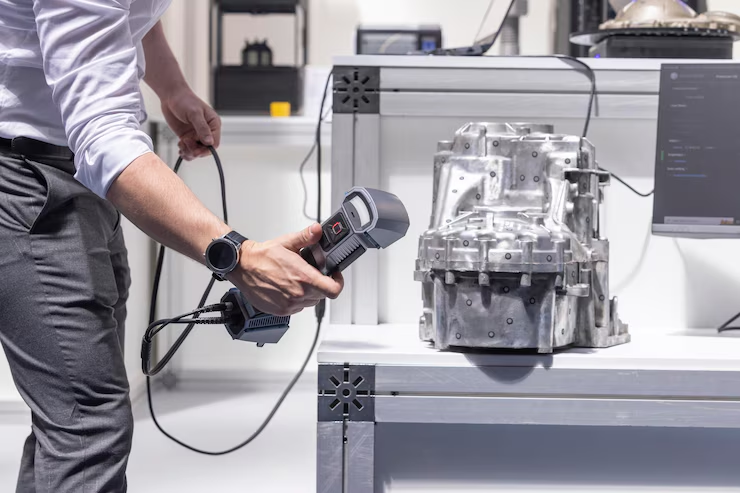
3. 3D Scanning and Imaging
3D laser scanners create precise models of automotive parts, allowing engineers to compare actual production output against digital design blueprints. Any deviation triggers a quality alert.
4. IoT and Predictive Analytics
Connected devices in production lines monitor temperature, vibration, and pressure to detect potential issues early. Predictive analytics then uses this data to forecast maintenance needs or spot irregularities before failure occurs.
How Quality Control Reduces Recalls and Warranty Costs
Automotive recalls can cost companies millions of dollars and damage brand trust. Quality control minimizes this risk by catching issues early and preventing large-scale product failures.
For instance, imagine a batch of defective brake pads entering the production line. Without QC, thousands of cars might be affected, leading to dangerous consequences. But with strict inspection protocols, such problems are detected before cars leave the factory — protecting both consumers and the manufacturer.
Additionally, robust quality control lowers warranty claims. Fewer product failures mean fewer repairs and replacements, saving costs and improving customer satisfaction.
Continuous Improvement: The Core of Reliability
In the automotive industry, quality control isn’t a one-time effort — it’s an ongoing process of continuous improvement. Manufacturers use systems like Kaizen, Six Sigma, and Total Quality Management (TQM) to constantly enhance quality standards.
These methodologies focus on reducing errors, improving efficiency, and fostering a company-wide culture of excellence. When employees at every level prioritize quality, the end product naturally becomes more reliable and trustworthy.
The Future of Automotive Quality Control
As vehicles become more advanced — incorporating electric powertrains, autonomous features, and smart connectivity — quality control must adapt to new challenges. Future QC systems will likely rely even more on AI-driven diagnostics, blockchain tracking, and real-time quality analytics to ensure flawless performance.
The goal remains the same: to deliver vehicles that are safe, efficient, and dependable for years to come.
Conclusion
Quality control is the heartbeat of automotive reliability. From raw material inspection to final product testing, every step ensures that the car you drive is safe, durable, and trustworthy. With advanced technologies and continuous improvement practices, manufacturers can uphold their commitment to excellence — protecting both their reputation and the people who rely on their vehicles every day.
In short, without quality control, reliability would be impossible. It’s the invisible guardian behind every smooth ride and every satisfied driver.
FAQs About How Quality Control Ensures Automotive Reliability
1. What is the main goal of automotive quality control?
The main goal is to ensure that every vehicle meets high safety, performance, and durability standards before reaching the consumer.
2. How does quality control prevent vehicle recalls?
By identifying and addressing defects during production, QC prevents faulty components from entering the market, significantly reducing recall risks.
3. What tools are used in automotive quality inspection?
Manufacturers use tools like 3D scanners, AI-driven cameras, torque sensors, and data analysis software for precise inspection.
4. How does technology improve quality control in the automotive industry?
Advanced technologies such as AI, robotics, and IoT enhance inspection accuracy, reduce human error, and allow for real-time monitoring.
5. Why is continuous improvement important in quality control?
Continuous improvement ensures that manufacturers constantly evolve their quality processes to meet new safety standards and consumer expectations.