Hello world!
November 30, 2021
How Electric Vehicles Are Made
November 4, 2025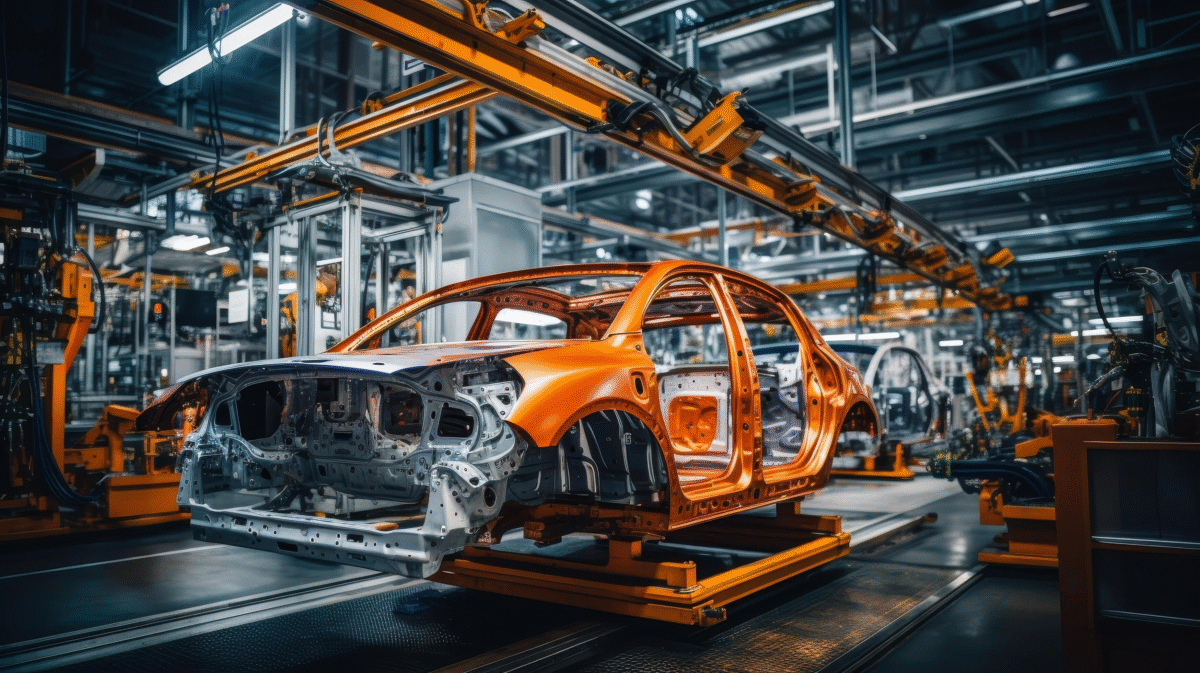
Introduction
The automotive industry is transforming faster than ever before. From self-driving cars to 3D-printed vehicle components, innovation in vehicle manufacturing is redefining how cars are designed, built, and experienced. Manufacturers are not only focusing on improving vehicle performance but also emphasizing sustainability, safety, and efficiency.
Let’s explore the latest innovations in vehicle manufacturing that are shaping the future of transportation and changing how vehicles are produced worldwide.
1. Electric Vehicle (EV) Revolution
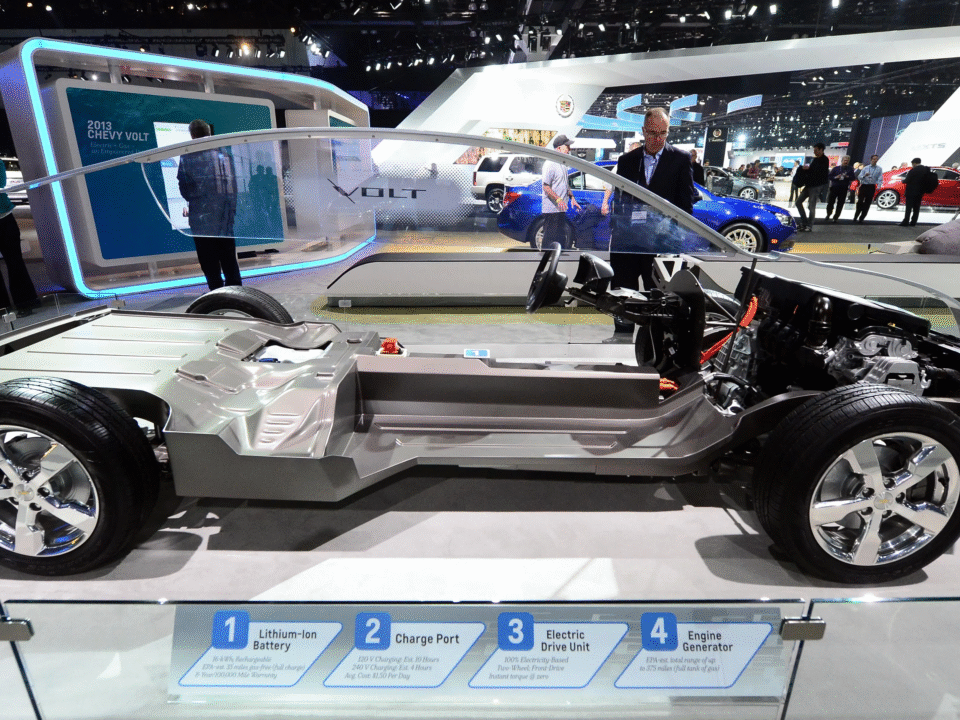
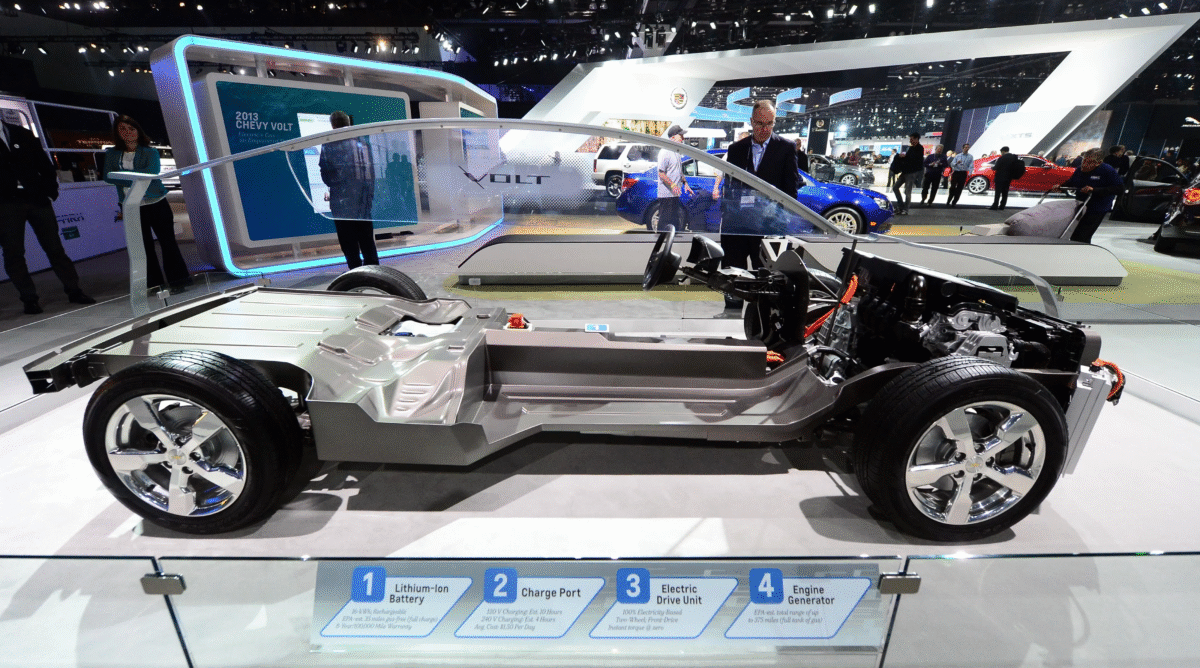
One of the biggest breakthroughs in modern vehicle manufacturing is the rapid shift toward electric vehicles (EVs). Automakers around the world are investing billions into developing EV platforms that eliminate the need for fossil fuels.
Key Developments in EV Manufacturing
- Advanced Battery Technology: Lithium-ion and solid-state batteries now offer longer ranges, faster charging, and greater safety.
- Modular EV Platforms: Companies like Tesla, BYD, and Rivian use modular chassis systems, which make it easier to build multiple models on a single platform.
- Recycling & Sustainability: EV manufacturers are focusing on recycling battery materials like lithium, cobalt, and nickel to reduce environmental impact.
EV innovation is not just about greener driving; it’s about re-engineering the entire production line to make it more efficient and sustainable.
2. Autonomous Vehicle Technology
Self-driving cars are no longer a futuristic dream—they are an active area of innovation in vehicle manufacturing. Automakers are integrating artificial intelligence (AI), machine learning, and advanced sensors to create vehicles that can operate safely with minimal human input.
How It’s Changing Manufacturing
- Integration of Lidar and Radar Systems: These sensors help vehicles detect obstacles and navigate safely.
- AI-driven Software Development: Vehicle manufacturers now include software engineers as a core part of the design process.
- Simulation-Based Testing: Companies use digital twins—virtual models of vehicles—to test self-driving algorithms before real-world deployment.
Autonomous vehicle technology is pushing manufacturers to rethink traditional design, production, and quality control methods.
3. Smart Factories and Industry 4.0
The concept of Industry 4.0—the fourth industrial revolution—has brought automation, data analytics, and interconnected systems to vehicle manufacturing.
Core Innovations in Smart Manufacturing
| Technology | Function | Example |
| Robotics | Automates assembly, welding, and painting | BMW uses robotic arms for precision work |
| Internet of Things (IoT) | Connects machines and systems for real-time data sharing | Toyota’s smart factories monitor every production step |
| Predictive Maintenance | Uses AI to detect equipment failures before they happen | Ford’s predictive systems reduce downtime |
| Digital Twins | Virtual replicas of physical systems used for testing and optimization | Audi uses digital twins for design simulation |
These innovations not only improve efficiency but also ensure higher quality and lower production costs. Manufacturers can now produce customized vehicles faster than ever before.
4. 3D Printing and Additive Manufacturing
Another major leap in vehicle manufacturing is the use of 3D printing, also known as additive manufacturing. This technology allows for the creation of lightweight, durable, and complex vehicle parts with less waste.
Applications of 3D Printing
- Prototyping: Automakers can create design prototypes in hours instead of weeks.
- Custom Parts: Allows production of one-of-a-kind parts for limited-edition or concept vehicles.
- Lightweight Components: Reduces vehicle weight, which improves fuel efficiency and performance.
For example, General Motors uses 3D printing to manufacture lightweight brackets that are both stronger and cheaper than traditional metal parts. This technology is revolutionizing how cars are designed and produced.
5. Sustainable Manufacturing and Green Materials
Sustainability is now a key factor in modern vehicle production. Automakers are turning to eco-friendly materials and cleaner production processes to reduce carbon emissions and waste.
Examples of Sustainable Practices
- Recycled Plastics and Metals: Many manufacturers now use recycled aluminum and plastics for vehicle interiors and exteriors.
- Bio-Based Materials: BMW and Volvo are experimenting with vegan leather alternatives made from plants.
- Solar-Powered Factories: Companies like Tesla and Toyota use renewable energy to power their production facilities.
Sustainability is no longer a marketing gimmick—it’s a necessity. Green manufacturing practices not only protect the environment but also appeal to eco-conscious consumers.
6. Artificial Intelligence (AI) in Production Lines
AI is playing a crucial role in improving manufacturing efficiency, quality, and decision-making. By analyzing vast amounts of data, AI can predict problems, streamline logistics, and even design better cars.
How AI Helps in Manufacturing
- Quality Control: AI cameras detect imperfections during assembly.
- Supply Chain Optimization: Predicts demand and adjusts material orders accordingly.
- Production Planning: AI schedules and monitors factory processes in real time.
- Design Assistance: AI helps engineers create more aerodynamic and safer vehicle designs.
Automakers like Toyota and Ford are already using AI-based systems to boost productivity and reduce production costs.
7. Lightweight and Advanced Materials
Vehicle performance depends heavily on weight. That’s why manufacturers are constantly researching lightweight materials that don’t compromise on strength or safety.
Materials Leading the Innovation
| Material | Benefit | Used By |
| Carbon Fiber | High strength-to-weight ratio | Used in luxury and sports cars like McLaren |
| Aluminum Alloys | Lightweight and corrosion-resistant | Common in Tesla and Ford models |
| Magnesium | Lighter than aluminum | Used in steering wheels and seat frames |
| Composite Materials | Combines multiple materials for improved durability | Widely used in electric and hybrid vehicles |
By using advanced materials, automakers achieve better fuel economy, reduced emissions, and improved vehicle performance.
8. Connected Vehicle Technology
Modern cars are now smart devices on wheels. Connectivity has become a core part of vehicle manufacturing, allowing vehicles to communicate with each other, the cloud, and even infrastructure systems.
Features of Connected Vehicles
- Over-the-Air (OTA) Updates: Software upgrades are delivered remotely, similar to smartphones.
- Vehicle-to-Everything (V2X) Communication: Cars exchange data with traffic lights, other vehicles, and road sensors to improve safety.
- Infotainment Systems: AI-powered interfaces provide navigation, voice commands, and entertainment features.
Connected car technology ensures safety, convenience, and enhanced driving experiences—all of which require innovation at the manufacturing level.
9. Modular and Flexible Manufacturing Systems
To meet the rising demand for customization, manufacturers are shifting toward modular assembly lines. This means the same production system can build different car models without major retooling.
Advantages of Flexible Manufacturing
- Reduced Production Time: Easier to switch between models.
- Lower Costs: Minimizes waste and idle time.
- Customer Personalization: Allows tailored features without extra delays.
Companies like Volkswagen and Hyundai have already adopted modular systems, resulting in more efficient and adaptable factories.
Conclusion
The latest innovations in vehicle manufacturing are driving the automotive industry toward a smarter, greener, and more efficient future. From electric and autonomous vehicles to AI-driven production and sustainable materials, every advancement is reshaping the way vehicles are designed, built, and experienced.
As technology continues to evolve, the next generation of cars will not only be faster and safer but also more intelligent and environmentally friendly—proving that innovation truly drives the road ahead.
Frequently Asked Questions (FAQs)
1. What is the most significant innovation in vehicle manufacturing today?
The shift toward electric and autonomous vehicles is considered the most significant innovation, as it redefines both production methods and driving experiences.
2. How does 3D printing help in car manufacturing?
3D printing allows automakers to produce prototypes and lightweight parts quickly and cost-effectively, reducing waste and improving efficiency.
3. What are smart factories in the automotive industry?
Smart factories use connected systems, AI, and robotics to monitor and optimize production in real time, ensuring higher quality and lower costs.
4. Are sustainable materials really used in car production?
Yes. Many automakers use recycled metals, bio-based plastics, and vegan leather to reduce environmental impact and meet green standards.
5. How will AI shape the future of vehicle manufacturing?
AI will continue to enhance quality control, predict maintenance needs, optimize logistics, and even assist in vehicle design and innovation.